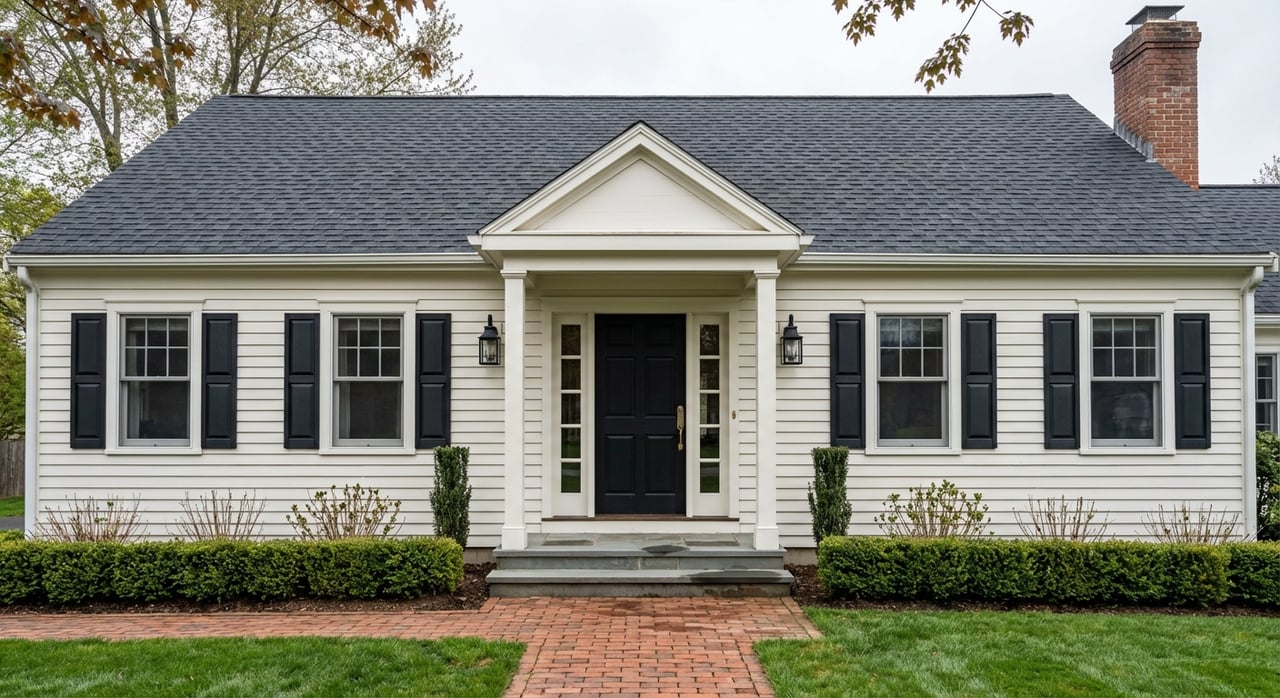
What homeowners should know before, during, and after the upgrades.
If you’ve noticed survey flags, road crews, or “public hearing” notices popping up around town, you’re not alone. Infrastructure projects—new roads, transit upgrades, sewer expansions, sidewalks, broadband, drainage work—can quietly move home values up or down depending on what’s being built and where.
Here’s how to think about it like an investor, not a bystander.
1) The “Convenience Premium” is Real
Projects that reduce daily friction often raise demand:
-
Improved road access & traffic flow (especially if it shortens commute time)
-
New/expanded rail or bus options
-
Sidewalks, trails, bike paths that connect neighborhoods to town centers
-
Reliable high-speed internet (huge for remote/hybrid workers)
Translation: More buyers want the area → more competition → stronger pricing.
2) Not All Infrastructure is “Sexy,” But It Still Matters
Some projects don’t look exciting, but they protect value:
-
Drainage and flood mitigation (can reduce future water issues and insurance risk)
-
Bridge repair and utility upgrades
-
Sewer expansions (often unlocks renovations/additions and reduces septic limitations)
Translation: Less risk + more usable property potential = better long-term value.
3) Short-Term Pain Can Create Long-Term Gain
During construction, the neighborhood may feel worse before it gets better:
-
Noise, dust, detours, blocked driveways
-
Temporary access issues for showings and open houses
-
Visual disruption that makes homes “feel” less appealing
Translation: If you’re selling mid-project, presentation and pricing need to be tighter.
4) The Biggest Value Killer: Noise + Traffic + “Perceived Nuisance”
Some projects can hurt values when they permanently change the living experience:
-
Highway expansions closer to homes
-
Train improvements that increase frequency/noise
-
Major commercial corridors, new intersections, or heavy traffic routes
-
Large-scale utility stations or industrial-looking installations nearby
Translation: Buyers don’t just buy houses—they buy peace. If peace drops, so can price.
5) Watch What Happens to “Micro-Locations”
Infrastructure rarely impacts an entire town equally. It hits pockets:
-
Homes within earshot of a new roadway alignment
-
Properties gaining walkability to a new trail or downtown access
-
Streets becoming shortcuts after a traffic pattern change
Translation: Two neighborhoods 3 minutes apart can move in opposite directions.
What Homeowners Should Do Right Now
If a project is proposed or underway near you:
1) Track the timeline: Is it a 6-month inconvenience or a 3-year headache?
2) Understand proximity: 0.2 miles vs 0.8 miles matters more than people think.
3) Look for “before/after comps”: Compare homes near similar projects in nearby towns.
4) If selling: control what you can—pricing strategy, timing, and marketing quality.
5) If buying: construction can be an opportunity—if the end result is positive.