If you want an easier New York City commute without giving up a true neighborhood feel, Larchmont deserves a close look. This small Westchester village offers direct train service to Grand Central, a compact downtown, and a waterfront setting that feels distinctly different from more generic commuter suburbs. If you are weighing convenience, lifestyle, and housing options, here is what living in Larchmont as a NYC commuter actually looks like. Let’s dive in.
Why Larchmont appeals to commuters
Larchmont packs a lot into a very small footprint. The village is about 1.1 square miles with an estimated 2024 population of 6,640, yet it offers direct rail access, two downtown business districts, and a Long Island Sound shoreline, according to the Village of Larchmont budget document.
That combination helps Larchmont feel less like a pass-through suburb and more like a place with its own daily rhythm. You get the commuter benefits of being connected to Manhattan, but you also get an established village center where dining, shopping, and errands are part of everyday life.
What the commute to NYC is like
For many buyers, the train is the headline feature. Larchmont station sits on Metro-North’s New Haven Line, which gives you direct access to Grand Central and multiple weekday options throughout the day, not just during a narrow rush-hour window.
According to the current Metro-North New Haven Line schedule, one weekday morning train departs Larchmont at 5:07 a.m. and arrives at Grand Central at 5:49 a.m. Another leaves at 5:37 a.m. and arrives at 5:59 a.m. That kind of schedule flexibility matters if your workday starts early, shifts often, or occasionally runs late.
Station access and amenities
The Larchmont station page notes that the station is fully accessible, with elevators, a ramp, tactile warning strips, and audiovisual passenger information systems. The station also has a waiting area, restrooms open daily from 5 a.m. to noon, and ticket machines.
If you rely on more than the train, the station also connects to Bee-Line bus service. For some residents, especially those living near downtown, that supports a routine that may feel more walkable and transit-friendly than you might expect in a suburban setting.
What the commute may cost
Larchmont is in Metro-North Zone 13. A fare table listed a $260 monthly ticket and a $13.25 peak one-way fare before the January 2026 fare change, but the MTA approved average commuter rail fare increases of up to 4.5% effective January 2026, so you should confirm current pricing directly with the MTA fare information before making plans.
How daily life feels after work
A good commuter town is not only about getting into the city. It is also about how your life feels when you come home.
Larchmont stands out because its appeal goes beyond the station. The village budget describes two downtown business districts that attract visitors from across the metro area for dining and shopping. That means your after-work routine can stay local, whether you want dinner out, a coffee run, or a quick errand before heading home.
Downtown convenience
Because the commercial core is tied closely to the station area, Larchmont supports the kind of day-to-day convenience many former city residents want. You are not necessarily driving from one isolated shopping center to another. In the village center, daily tasks can feel more connected and efficient.
That setup is part of why Larchmont often appeals to professionals who want a suburban move without losing all sense of neighborhood energy. It is polished and compact, but it still feels lived-in rather than manufactured.
Waterfront character
Larchmont’s shoreline is a real part of its identity, but it helps to understand what that means in practice. Manor Park offers publicly accessible waterfront space on Long Island Sound, with about 12.5 acres, roughly 5,000 feet of shoreline, paths, benches, and gazebos.
At the same time, Manor Beach is membership-based rather than fully public. So if waterfront access is high on your list, it is smart to think of Larchmont as a village with scenic public shoreline access, not as a classic municipal beach town.
Parks and recreation in Larchmont
If your goal is a more balanced week, Larchmont offers more than just one scenic park. The village budget reports 42.64 acres of parkland, 9 public parks, 5 playgrounds, and 11 sports facilities.
That broader network matters. It gives you options for walks, outdoor time, and recreation across the village, which can make daily life feel fuller and less car-dependent, especially given how small the village is overall.
Housing options near the train and beyond
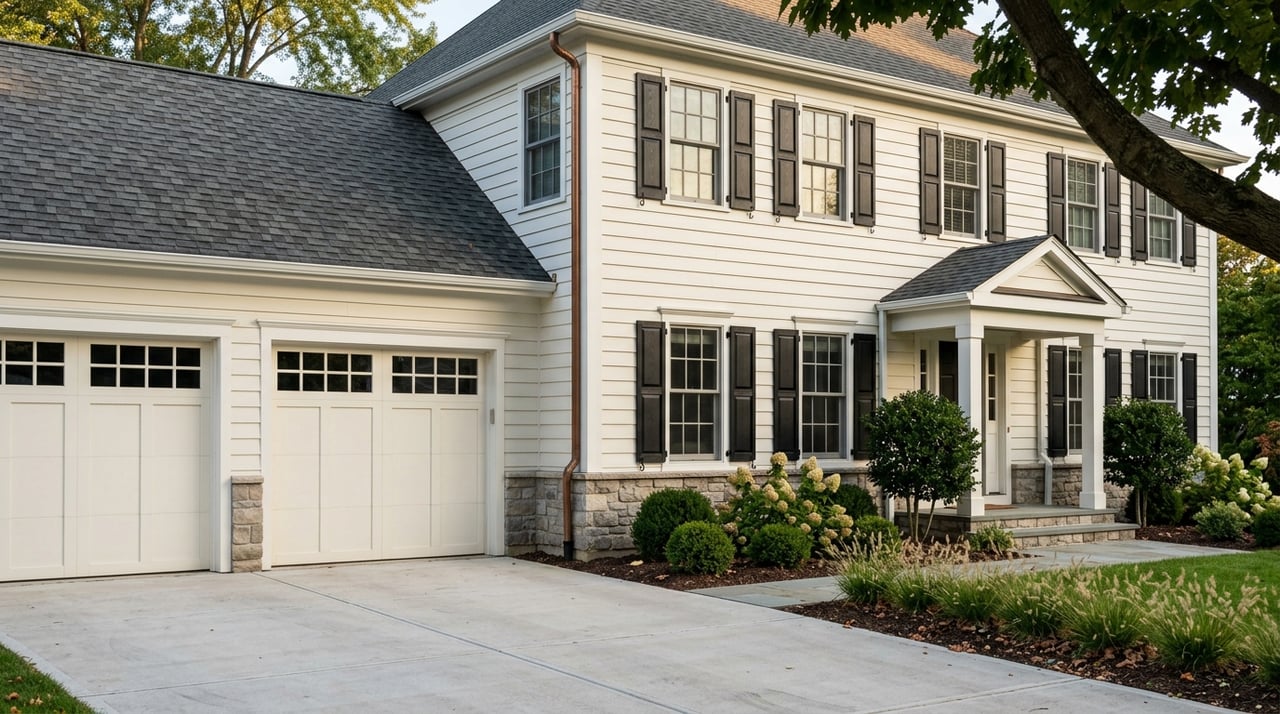
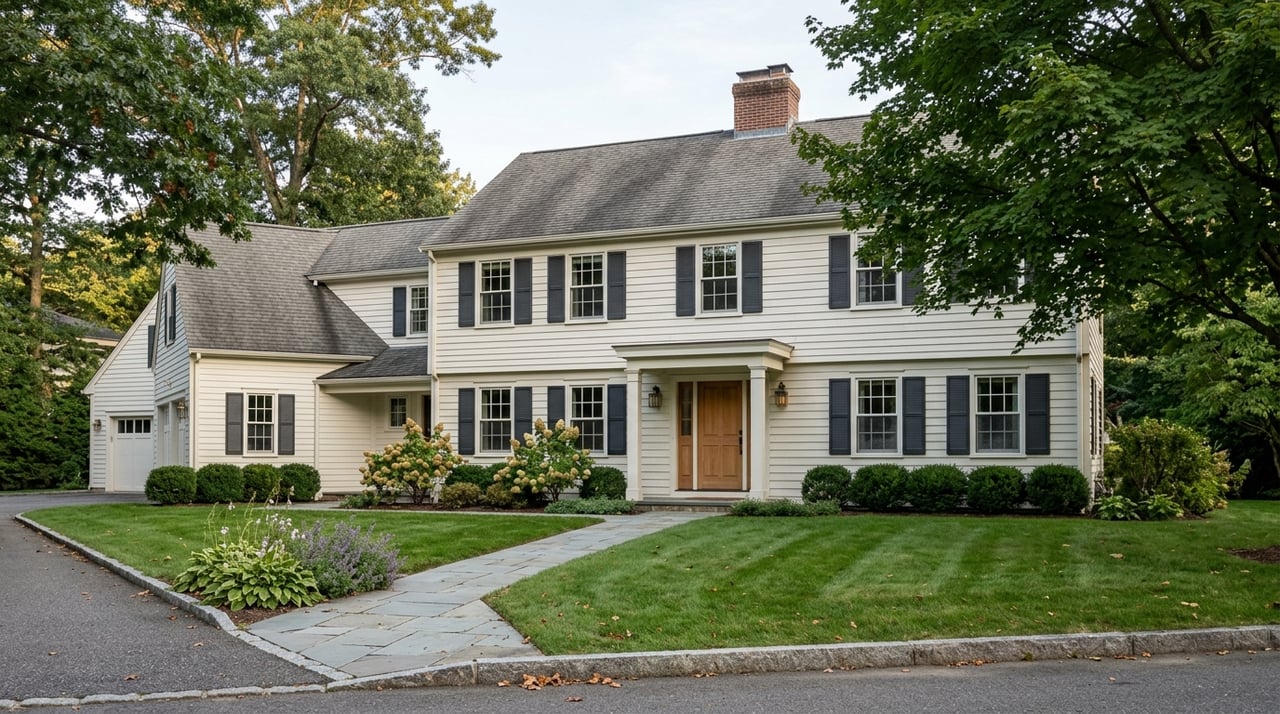
Larchmont is best known for older single-family homes, but that is not the whole picture. The village master plan describes Larchmont as predominantly one-family housing, while also noting apartment houses, larger apartment buildings near the railroad station, and mixed-use buildings in the commercial core.
For buyers and renters, that means your housing options may vary depending on how close you want to be to the train and downtown. If you prioritize a shorter station walk and a more village-centered lifestyle, you may want to focus on areas near the commercial core. If you want more traditional suburban housing, the single-family stock is a major part of Larchmont’s appeal.
What the housing stock feels like
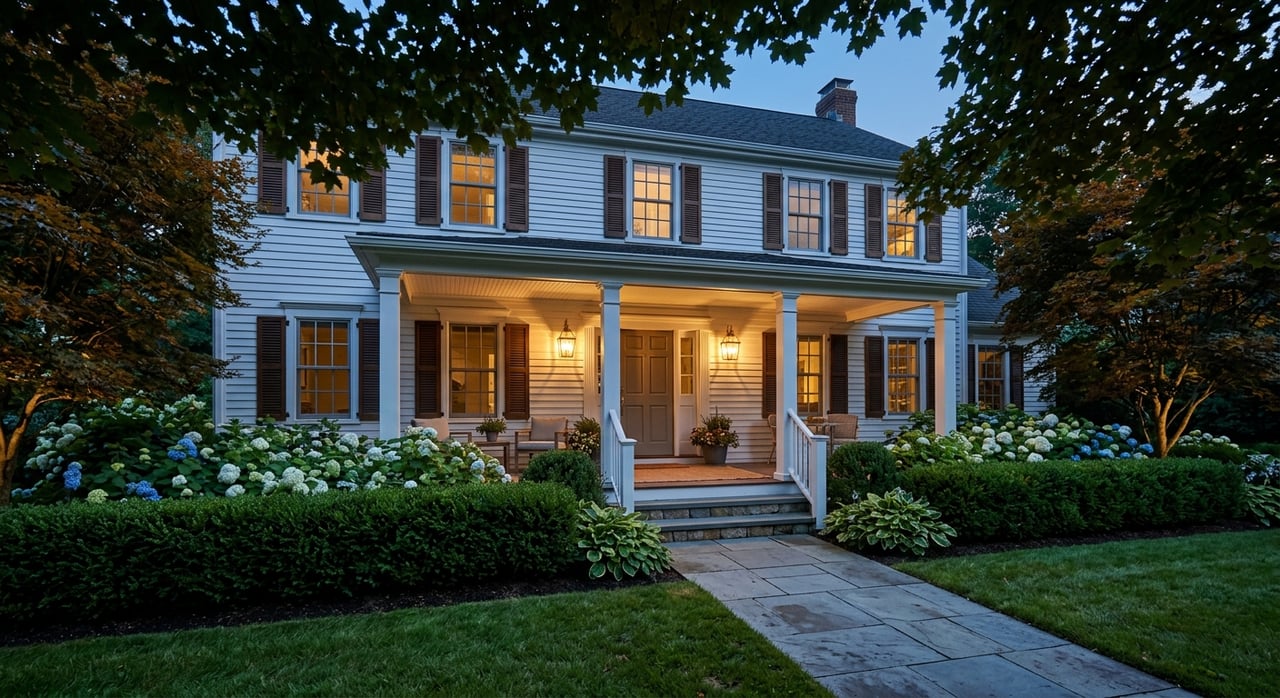
Part of Larchmont’s charm comes from its age and history. The village grew from a summer retreat into a full-time railroad suburb, and that history still shows up in the housing stock and street feel.
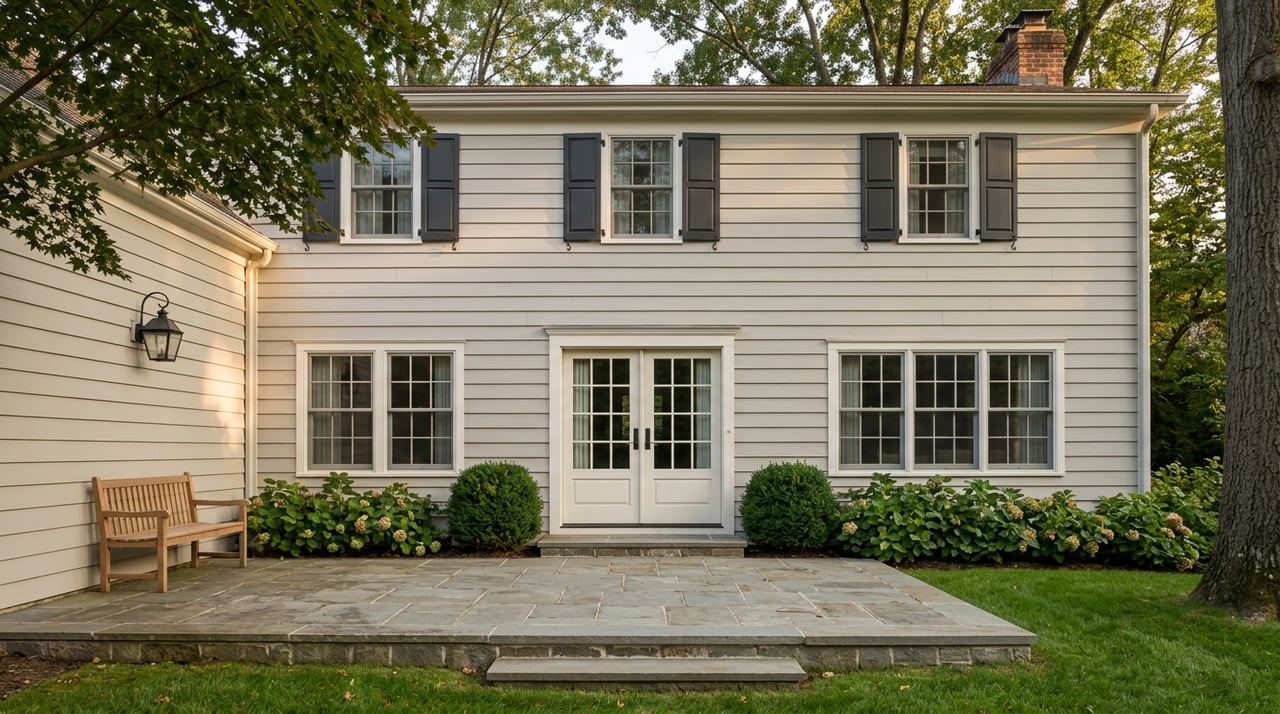
The master plan describes older one-family dwellings on relatively small lots, which helps explain why Larchmont often feels settled, established, and visually cohesive. If you prefer mature neighborhoods over newer development, that character may be a strong plus.
Costs and market context
Larchmont is an established, higher-cost suburb, and it helps to go in with clear expectations. The latest Census QuickFacts for Larchmont show an owner-occupied housing rate of 69.6%, a median value of owner-occupied homes of $1,384,700, a median gross rent of $1,990, and a mean travel time to work of 43.2 minutes.
Those numbers reinforce a few key points. First, Larchmont is a commuter-oriented market. Second, it offers a meaningful rental segment alongside homeownership. Third, your budget needs to match a village where location, convenience, and limited size all support higher housing values.
Can you live in Larchmont without a car?
For some households, yes, especially if you live near the village center. Larchmont’s small size, central train station, and Bee-Line bus connections suggest that a walk-to-train or short-transit routine is realistic for many residents close to downtown.
That said, this depends on your exact location and daily needs. If your home search is focused on minimizing driving, it is worth paying close attention to the distance between a property, the station, and the downtown districts.
Who Larchmont may suit best
Larchmont tends to make the most sense for buyers who want to stay connected to New York City while enjoying a more grounded suburban routine. If you value direct train access, an established village center, waterfront scenery, and older housing with character, it can be a strong fit.
It may be especially appealing if you want your suburb to feel compact and polished rather than sprawling. The mix of transit access, local amenities, and shoreline setting gives Larchmont a distinct identity within the broader Westchester commuter market.
If you are considering a move to Larchmont or comparing it with other commuter towns in Westchester, working with a local advisor can help you narrow in on the right block, housing type, and commute setup for your goals. When you are ready to talk through your options, connect with Stephen Mele for tailored guidance on buying, selling, or relocating in the north-of-NYC suburbs.
FAQs
What is the train commute from Larchmont to Grand Central like?
- Larchmont is on Metro-North’s New Haven Line, with direct service to Grand Central and multiple weekday departure options, including early morning trains that can reach Grand Central in under an hour.
Is Larchmont NY a good place for NYC commuters?
- Larchmont can be a strong fit for NYC commuters because it combines direct rail service, a compact village center, and local dining, shopping, parks, and waterfront access in a very small footprint.
Can you live in Larchmont NY without a car?
- For some residents, especially near downtown and the train station, a less car-dependent lifestyle may be realistic thanks to the village’s 1.1-square-mile size, central station, and Bee-Line bus connections.
Is the waterfront in Larchmont fully public?
- No. Manor Park is publicly accessible, but Manor Beach is membership-based, so Larchmont offers public waterfront scenery without functioning like a fully public beach town.
What types of homes are common in Larchmont NY?
- Larchmont is predominantly made up of older single-family homes, with apartment houses, larger apartment buildings, and mixed-use properties concentrated closer to the railroad station and commercial core.
How expensive is housing in Larchmont NY?
- Census data shows a median value of owner-occupied homes of $1,384,700 and a median gross rent of $1,990, reflecting Larchmont’s position as an established, higher-cost Westchester commuter market.