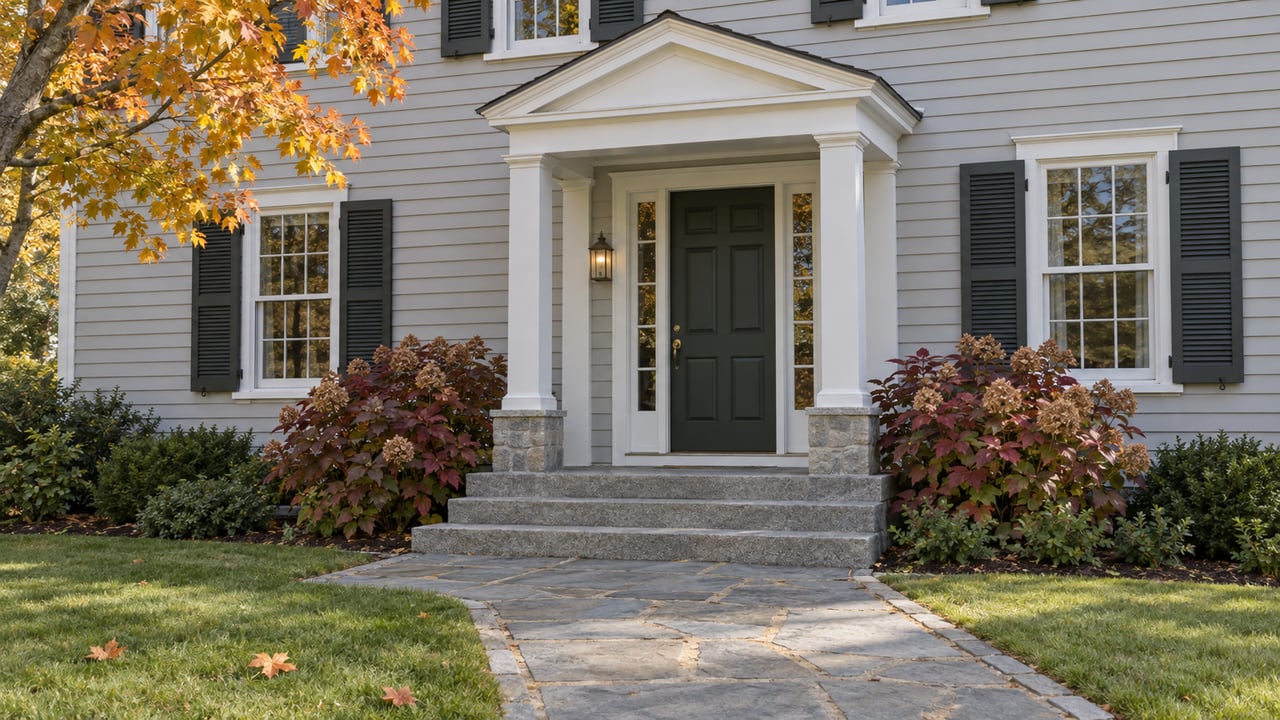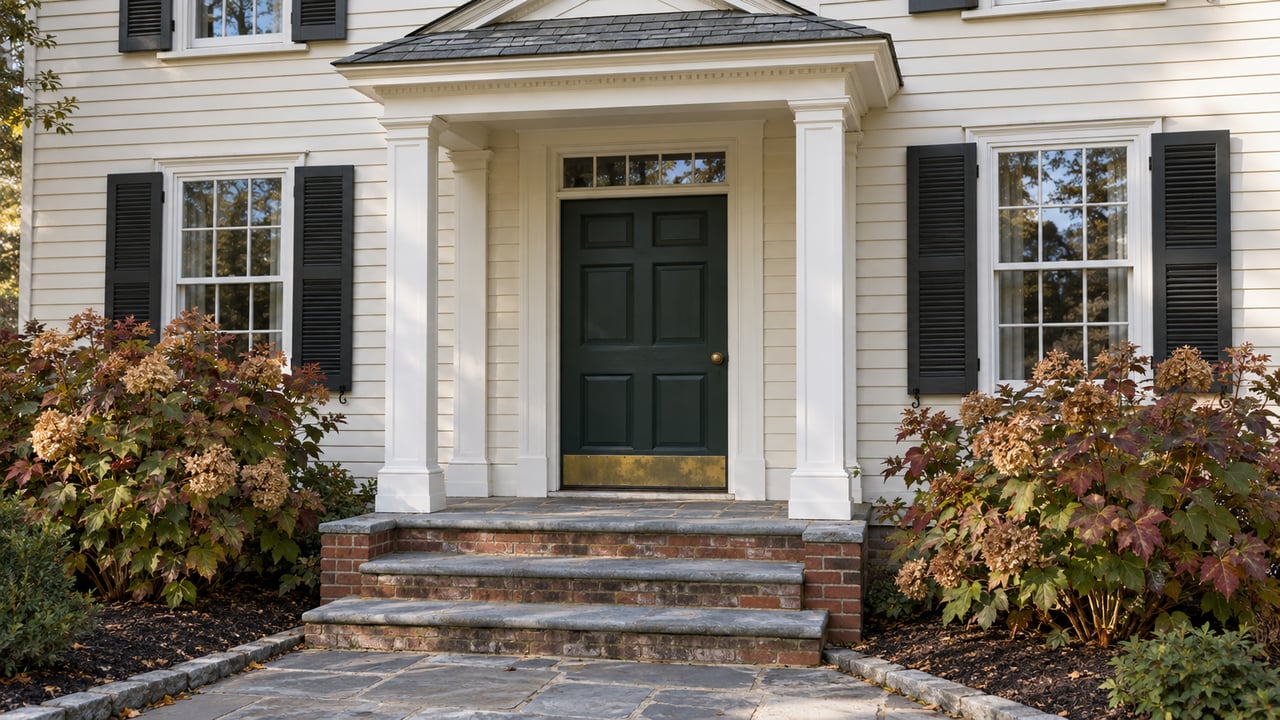
Thinking about trading city noise for more space and a backyard? If you’re considering a move from New York City to Trumbull, you’re not alone. You want clarity on what changes: your monthly costs, commute options, and the lifestyle you can expect. This guide breaks down the essentials so you can plan a smart, low-stress move. Let’s dive in.
Why Trumbull appeals to NYC movers
Trumbull sits in Fairfield County, Connecticut, just north of Bridgeport. With a 2020 Census population of 36,827, it offers a mid-sized suburban feel with tree-lined neighborhoods and mostly single-family homes. Many residents work in Fairfield County, Westchester, and New York City, which makes Trumbull a true commuter suburb with access to rail through nearby stations.
The town is inland, so it has lower coastal flood risk compared with shoreline communities along Long Island Sound. You still need to check flood maps for specific streets near streams or low-lying areas, but most buyers find insurance and risk profiles different from what you see right on the coast. If you are trading an apartment for a yard, you’ll notice the day-to-day shift to car-based errands, lawn care, and more storage space.
Cost of living: Trumbull vs NYC
Moving from NYC to Trumbull changes how you spend in several categories. Here is what usually shifts for buyers and sellers:
- Housing value: Price per square foot for single-family homes in Trumbull is generally lower than many NYC neighborhoods, especially Manhattan and Brooklyn. You tend to get more interior space, a garage, and a yard.
- Property taxes: Connecticut uses municipal property taxes based on each town’s mill rate and the assessed value of your property. NYC’s system is different, so compare estimates for a specific home rather than relying on averages.
- State and local income tax: Connecticut has a progressive state income tax and no local city income tax. If you move your residency from NYC, your tax picture changes. Your situation is unique, so consult a tax professional.
- Insurance: Homeowners insurance varies by home type and risk. Trumbull’s inland location means lower coastal flood exposure than shoreline towns, though flood insurance may still apply near waterways.
- Utilities: Expect differences in electricity and gas rates versus NYC. Some Connecticut homes run on oil or propane heat, so plan for seasonal fuel costs.
- Closing costs: Buyer and seller costs differ from New York’s. In Connecticut, you will see attorney, title, and recording fees, but not NYC’s local transfer tax structure.
- Moving and setup: Budget for movers, possible storage, new furniture for larger rooms, lawn equipment or service, and initial repairs or upgrades after inspection.
Housing and property taxes in focus
Trumbull’s housing stock is largely single-family homes with larger lots than you’ll find in most NYC neighborhoods. If you want dedicated spaces like a home office, a finished basement, or a mudroom, you will find more options here. With the shift to hybrid work, many buyers prioritize flexible layouts that accommodate work-from-home.
Property tax planning starts with the town’s mill rate and the home’s assessed value. A lower mill rate does not automatically mean a lower bill if assessments differ, so always estimate taxes for each property you are considering. Build annual taxes into your monthly budget alongside mortgage, insurance, and utilities. If you are comparing against your current NYC costs, calculate apples-to-apples with the actual target home.
Commuting from Trumbull to NYC
You have multiple ways to reach Midtown, but each choice trades time for convenience and cost.
Driving to Manhattan
- Distance: Approximately 50 to 60 miles depending on start and destination.
- Typical routes: Merritt Parkway (CT-15) or I-95 toward Westchester and into the city. The Merritt is scenic and bans trucks, which some drivers prefer, while I-95 is the main corridor and often more congested.
- Time: In peak hours, you should expect about 70 to 120+ minutes each way. Off-peak times can be shorter, but plan for variability.
Drive-to-rail on the New Haven Line
- Stations: Bridgeport, Stratford, or South Norwalk are common choices for Trumbull residents.
- Train time: Express and local services typically range from about 60 to 90+ minutes to Grand Central Terminal.
- Door-to-door: When you add a 20 to 35 minute station drive, parking, and platform time, you often see 90 to 130+ minutes total during peak hours.
- Practical tips: Check parking options and permit availability early. Some lots fill quickly in the morning.
Other options and hybrid schedules
Express bus and coach services are limited, so most commuters drive to rail or drive the full route. Many residents follow a hybrid work schedule, which changes the cost-benefit math of living farther from the city. If you are on a flexible schedule, you could time rail and driving for off-peak windows and cut some travel time.
Lifestyle and amenities
Trumbull offers the daily conveniences most suburban buyers want. You will find shopping centers, big-box retailers, and local boutiques. Larger dining and cultural scenes are close by in nearby Fairfield County towns, and downtown Bridgeport, Norwalk, and Fairfield provide additional options.
Outdoor recreation stands out. You have parks and trails, including areas along the Pequonnock River and local green spaces for walking, biking, and sports. The Long Island Sound shoreline is an easy drive for beaches and boating. Regional hospitals in Greater Bridgeport provide emergency and specialty care, so access to healthcare is straightforward.
Families appreciate that Trumbull is known for its suburban neighborhoods and community orientation. If schools are a priority, review district information, attendance zones, and program offerings for specific addresses. Keep your research neutral and data-based, and confirm details directly with the appropriate offices.
Budgeting checklist for NYC-to-Trumbull buyers
Use this list to build a clear monthly and one-time budget for your move:
- Mortgage and property taxes: Use the town’s mill rate and assessed value for the target home to estimate annual taxes.
- Insurance: Get homeowners quotes and confirm if flood insurance is needed based on FEMA maps.
- Utilities and services: Electricity, natural gas or fuel oil, internet, trash, water or well maintenance, and potential septic service.
- Commuting: Train passes or fuel, bridge and tunnel tolls, station parking permits, and occasional rideshare.
- Home maintenance: Lawn care or equipment, snow removal, HVAC service, gutter cleaning, and seasonal projects.
- One-time setup: Movers, storage, initial repairs or inspection items, furniture for larger rooms, window treatments, and basic outdoor tools.
- Trial the commute: Test a peak-hour drive and a door-to-door rail trip to validate your plan.
Tips for Trumbull sellers marketing to NYC buyers
If your target buyer is moving from the city, highlight what matters most to them:
- Space and function: Showcase a dedicated office, finished lower level, storage, and flexible rooms. These features help buyers visualize the transition from apartment living.
- Commute transparency: Share realistic driving and train time ranges and note the nearest stations and parking options.
- Outdoor living: Stage patios, decks, and usable yard space. Low-maintenance landscaping appeals to busy commuters.
- Energy and efficiency: Call out updated windows, insulation, modern HVAC, and smart-home features that lower carrying costs.
Financial and legal considerations
Interstate moves affect taxes. Connecticut has a progressive state income tax and no local city tax. New York City residents pay city income tax, so moving your residency to Connecticut changes your obligations. Because tax situations vary, it is smart to consult a qualified tax professional early in your planning.
Closing practices also differ between New York and Connecticut. Expect attorney involvement on both sides and a different mix of closing costs compared with NYC. If you are financing, your lender will review appraisal standards that can vary by property type and location. Sellers with investment property should ask about timing, potential capital gains, or exchange strategies with their advisors.
Plan your move with confidence
If you want more space, a yard, and a balanced commute, Trumbull delivers a compelling value proposition. You can maintain access to New York City while living in a community-oriented town with suburban amenities. To make a smart move, compare real numbers for your specific home, validate the commute, and align your timeline with market conditions.
When you are ready, work with a data-driven advisor who serves both Westchester and Connecticut suburbs and has helped 200+ clients close over $85M in transactions. Book a Call with Stephen Mele to map your move, refine your budget, and tour homes that fit your goals.
FAQs
How much cheaper is housing in Trumbull than NYC?
- Per-square-foot and per-home prices for single-family houses in Trumbull are generally lower than many NYC neighborhoods, but exact differences depend on the home and current market conditions.
What are typical commute times from Trumbull to Midtown?
- Driving during rush hour often ranges from about 70 to 120+ minutes each way; a drive plus Metro-North typically totals about 90 to 130+ minutes door-to-door.
How do property taxes in Trumbull compare to NYC?
- The structures differ: Connecticut uses a town mill rate and assessed value, while NYC has a unique system. Estimate taxes for the specific Trumbull home you are considering to compare fairly.
Do I need flood insurance in Trumbull?
- Trumbull is inland with lower coastal flood exposure than shoreline towns, but homes near streams or low-lying areas may still require flood coverage based on FEMA maps.
What extra costs should I plan for when leaving an apartment?
- Budget for movers, furnishing larger spaces, lawn and snow care, potentially higher heating costs, homeowners insurance, and municipal property taxes.