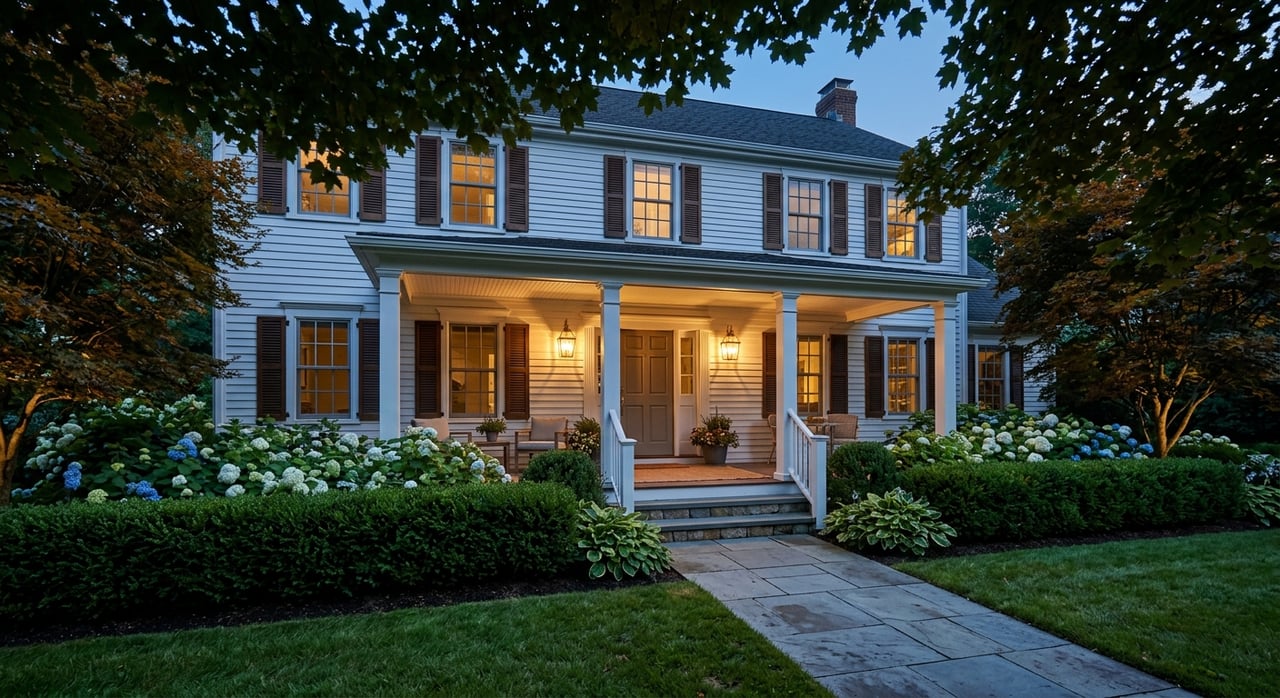
Selling a home in Scarsdale can move quickly, but quick does not mean simple. If you want a strong sale, you need more than a sign in the yard. You need smart pricing, polished presentation, and local paperwork handled before it slows you down. This guide walks you through what matters most so you can prepare with confidence and launch with fewer surprises. Let’s dive in.
Understand the Scarsdale market
Scarsdale remains a premium market, but it is not a market where you can guess your way through pricing or timing. Recent snapshots show fast turnover and strong pricing, but they also suggest buyers are still paying close attention to value and condition.
Redfin’s Scarsdale housing market data showed a median sale price of $2,025,500, median days on market of 24, and about two offers per home in February 2026. Realtor.com’s Scarsdale overview showed 71 active listings, a $1,695,000 median listing price, 30 median days on market, and a 103% sale-to-list ratio in March 2026.
That tells you something important. Buyers are active, and well-positioned homes can still perform very well, but the market is no longer running on pure momentum. In this kind of environment, your strategy matters from day one.
Price from sold data
One of the biggest mistakes sellers make is building a price around hope instead of evidence. In Scarsdale, that can cost you valuable early momentum.
The best pricing approach starts with recent sold comparable homes, not just current asking prices. Asking prices show what sellers want. Closed sales show what buyers actually paid. In a market where homes can still sell near or above asking when priced well, accurate pricing can help you attract serious interest right away.
A high initial price can be risky because days on market are still relatively short. If your home sits while newer listings capture attention, you may lose leverage that is hard to regain later. The first impression your listing makes is often the most important one.
Prepare before listing
A smooth sale usually starts weeks before your home goes live. In Scarsdale, preparation is not just about cleaning and staging. It also includes gathering documents and checking for local compliance issues that could affect the transaction.
If you wait until you have an offer to organize permits, disclosures, or certificates, you may end up solving avoidable problems under pressure. A better plan is to get ahead of those items before buyers start asking questions.
Gather records early
Before listing, organize any paperwork tied to your property, especially if you have completed work over the years. That can include:
- Building permits
- Certificates of occupancy
- Renovation records
- Exterior work approvals
- Sewer-related documentation
This step matters locally because Scarsdale’s assessor and village materials note that many renovations, additions, alterations, repairs, and new construction require permits before work begins. Exterior changes may also require Board of Architectural Review approval.
If paperwork is incomplete or open permits are still active, those issues can create delays later. The goal is to know what you have, what is missing, and what may need attention before your listing launches.
Review disclosure requirements
New York sellers now need to pay close attention to property disclosures. According to the New York Property Condition Disclosure Statement requirements, the disclosure statement is required beginning July 1, 2025 and must be delivered before a binding contract is signed for one- to four-family residential real property.
If the seller does not deliver the form, the buyer receives a $500 credit at closing. The state also notes that the disclosure form is not a warranty and does not replace inspections, so buyers are still encouraged to conduct their own inspections and environmental testing.
The form asks about several topics that can matter in a Scarsdale sale, including easements, shared features, utility surcharges, and certificates of occupancy. That is one more reason to gather your records early and answer based on your actual knowledge.
Check lead paint rules
If your home was built before 1978, separate federal lead disclosure rules may apply. The EPA’s real estate disclosure guidance says sellers, landlords, agents, and property managers must provide the EPA pamphlet, disclose known lead-based paint information, and share available records before contract.
This does not mean every older home has a major issue. It means the disclosure step is required and should be handled correctly as part of your prep.
Confirm local sale requirements
Scarsdale has a very local item that sellers should not overlook. The village’s Discharge Compliance Certificate application states that this certificate is required before the sale of any real property, includes a $350 application fee, and requires sewer-lateral CCTV documentation.
This is one of the clearest examples of why local planning matters. If you discover this requirement too late, your closing timeline can get tighter than it needs to be.
Make your launch count
In a market where median days on market have recently ranged from 24 to 30 days, your first week matters. Buyers tend to respond strongest when a home looks fully ready from the start.
That means your listing should not feel like a work in progress. It should feel complete, well-presented, and easy to understand online and in person. Strong visuals, clear property information, and full readiness can help you compete for attention while buyer interest is highest.
Focus on show-ready presentation
A strong launch usually includes:
- A clean, uncluttered interior
- Completed minor repairs
- Clear documentation on updates or improvements
- Professional photography and marketing materials
- Accurate property details available right away
This approach fits the local data. In a market with relatively quick turnover and a strong sale-to-list ratio, being show-ready on day one can help you preserve leverage and avoid a stale listing impression.
Evaluate offers the smart way
When offers come in, the highest number is not always the strongest outcome. What matters most is your likely net proceeds and the level of risk attached to each offer.
That means you should look at more than price alone. In Scarsdale, where some homes still trade at or above ask, the details can make a meaningful difference in how smoothly you get to closing.
Compare the full offer terms
As you review offers, pay attention to:
- Purchase price
- Financing terms
- Inspection contingencies
- Requested credits
- Repair expectations
- Proposed closing date
- Overall risk of delay or renegotiation
This kind of review matters because inspections, financing, and title review remain part of the process even in a healthy market. A clean offer with strong terms can sometimes produce a better final result than a higher offer with more uncertainty.
Prepare for closing logistics
Once you are in contract, your focus shifts from marketing to execution. This is where paperwork, local requirements, and unresolved property issues can become the biggest friction points.
In Scarsdale, common closing issues can include open permits, undocumented exterior work, sewer-lateral concerns, and missing certificates. The more of that you address before listing, the easier the closing process usually becomes.
Watch for open permits
Open permits can be a real issue in Scarsdale. The village states that only the issuance of a Certificate of Occupancy closes a permit in the relevant cases tied to building work and compliance. If work was done years ago and never fully closed out, it can come back into the conversation when attorneys, buyers, or lenders review the file.
That does not always mean the sale stops. It does mean you should identify these issues early so you can respond with a plan instead of scrambling at the last minute.
Know the transfer filings
Outside New York City, the real estate transfer tax is reported on Form TP-584 through New York State. The state says payment is due no later than 15 days after delivery of the deed, the base tax is $2 per $500 of consideration, and the seller pays that base tax.
For residential sales of $1 million or more, the buyer pays the 1% mansion tax. New York also uses the RP-5217 Real Property Transfer Report outside New York City, and county clerks collect the RP-5217 filing fee, which is generally $125 for residential properties.
Your attorney will handle much of this filing process, but it helps to know the moving parts so the closing statement is easier to understand.
Your best Scarsdale selling strategy
If you want the strongest possible result, think of your sale in three parts: price it with real data, prepare the paperwork early, and launch fully ready. That approach fits what the local market and the current state and village requirements are telling sellers right now.
Scarsdale still rewards quality, but buyers and transaction partners are paying attention to details. The sellers who tend to perform best are the ones who remove avoidable surprises before the first showing, not after the inspection.
If you are thinking about selling and want a clear, data-backed plan for pricing, preparation, and next steps, connect with Stephen Mele. You will get practical guidance, responsive support, and a strategy built around your goals.
FAQs
What is the best way to price a home in Scarsdale?
- The best starting point is recent sold comparable homes, not just active listing prices, because closed sales show what buyers actually paid in the current market.
What disclosures are required when selling a house in Scarsdale?
- For one- to four-family homes in New York, sellers must provide the Property Condition Disclosure Statement before a binding contract is signed, and pre-1978 homes may also require federal lead paint disclosures.
What local paperwork should Scarsdale sellers gather before listing?
- You should gather permit history, certificates of occupancy, renovation records, exterior approval documents if applicable, and sewer-related documentation tied to the village’s discharge compliance process.
What is the Scarsdale Discharge Compliance Certificate?
- It is a village-required item before the sale of real property, and current village materials say it includes a $350 application fee and sewer-lateral CCTV documentation.
What can delay a home closing in Scarsdale?
- Common issues include open permits, undocumented exterior work, sewer-lateral concerns, missing certificates, and other unresolved compliance items that surface during contract or closing review.
Who pays transfer taxes in a Scarsdale home sale?
- In New York, the seller pays the base real estate transfer tax, while the buyer pays the 1% mansion tax on residential sales of $1 million or more.