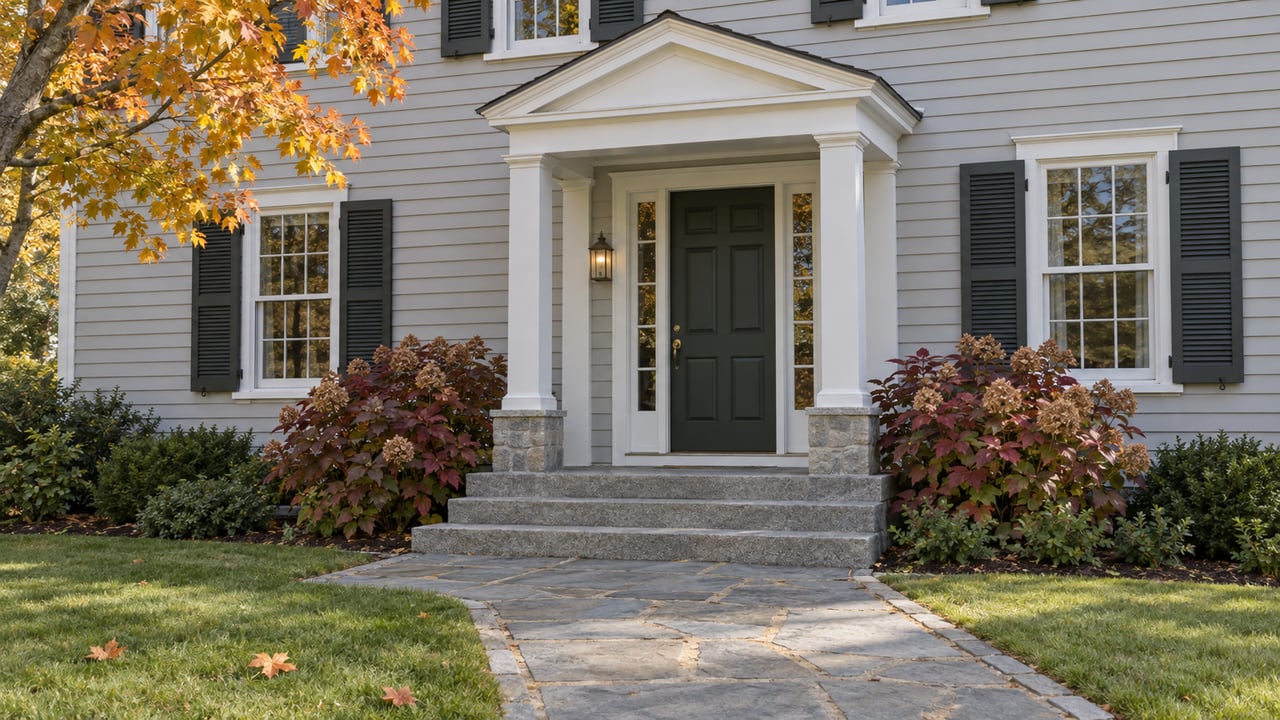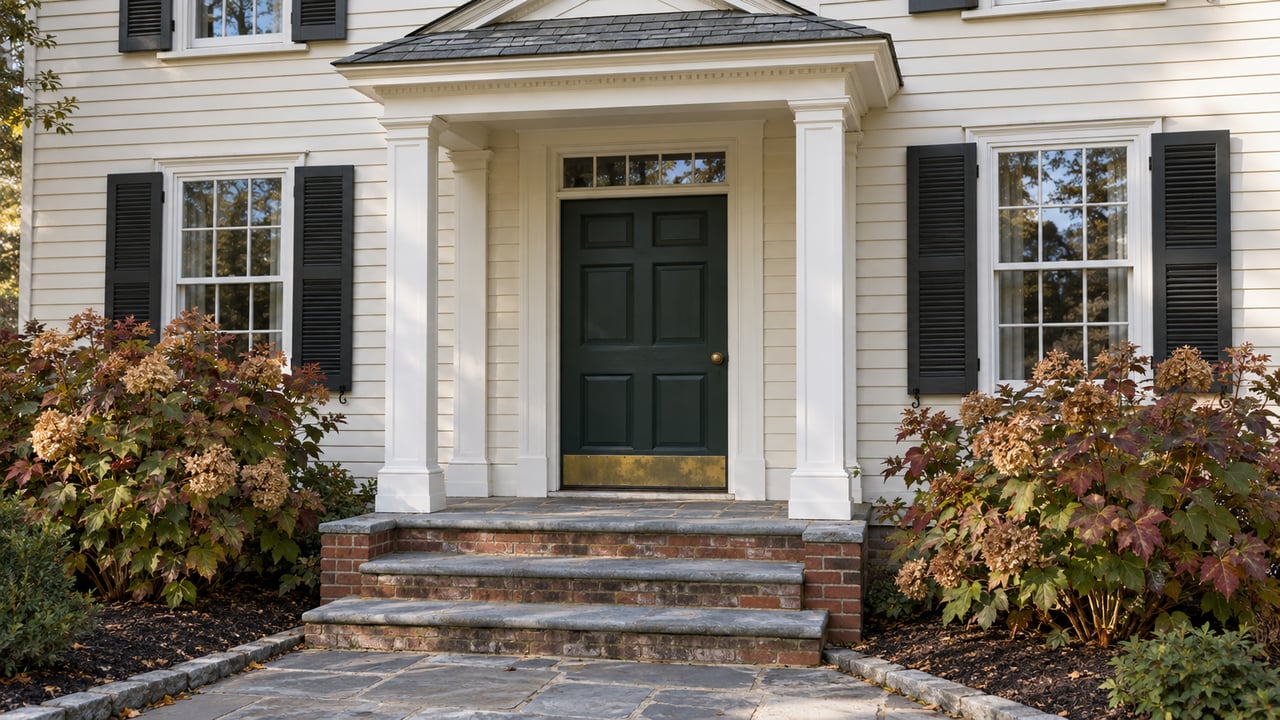
Thinking about a bigger home or a smaller one in Ridgefield? At first glance, moving within the same town can seem simpler than relocating somewhere new. In reality, it often comes with a different challenge: balancing timing, budget, taxes, and neighborhood fit all at once. This guide will help you plan your Ridgefield move with more clarity, whether you are upsizing for space or downsizing for simplicity. Let’s dive in.
Why a Ridgefield-to-Ridgefield Move Takes Planning
Moving within Ridgefield is not just about changing addresses. You are also weighing lifestyle needs, commute patterns, carrying costs, and which part of town fits your next chapter best. Because Ridgefield is a market with a broad range of price points, the right move is usually about matching your goals to the right pocket of town.
Ridgefield has about 25,000 residents and a location in central Fairfield County that appeals to both local households and commuters. The town highlights Main Street as a historic corridor, and it is also a short drive north of New York City. That mix helps explain why one move within town can feel very different from another.
The market is active, but not identical in every segment. Late-spring 2026 snapshots showed an average home value around $1,008,969, with one source reporting homes going pending in about 7 days, while another showed a median sale price of $1,004,399 and 46 days on market. The takeaway is simple: Ridgefield is moving, but your timing and strategy should reflect the specific price point and area you are targeting.
Start With Your Real Goal
Before you look at listings or prep your current home, define what success looks like for you. If you are upsizing, that may mean more bedrooms, a different layout, or a better fit for your daily routine. If you are downsizing, it may mean lower maintenance, a simpler floor plan, or a home that frees up cash flow.
It also helps to separate wants from must-haves. A move within the same town can feel familiar, which sometimes leads people to underestimate the trade-offs. Getting clear on your priorities early makes every later decision easier.
Know Your Net Proceeds
One of the biggest mistakes in an upsize or downsize plan is focusing too much on the expected sale price. What matters more is how much usable cash you will actually have after mortgage payoff and transaction costs. That number is what shapes your next purchase.
Buying and selling both come with expenses. Closing costs alone typically run about 2% to 5% of the purchase price, and you should also budget for moving costs, repairs, maintenance, taxes, and insurance. In a market like Ridgefield, even small percentage changes can have a meaningful effect on your final numbers.
A clean plan usually starts with these questions:
- What is your likely sale price range?
- What is your current mortgage payoff?
- What selling and closing costs should you budget for?
- How much cash do you want to keep in reserve after the move?
- What monthly payment feels comfortable for the next home?
If you are downsizing, net proceeds may be the reason for the move. If you are upsizing, net proceeds help define how aggressive or conservative you can be on the next purchase.
Budget Beyond the Purchase Price
The next home’s list price is only one part of affordability. Your monthly payment can also change based on mortgage rate, closing costs, taxes, insurance, and upkeep. That is especially important in Ridgefield, where the difference between one price band and another can be substantial.
Interest rates also change daily, so your budget should be refreshed as your search moves forward. A home that fits comfortably one week may feel different if rates shift. Early mortgage preapproval can help you plan with real numbers instead of rough guesses.
Lenders typically review income, assets, employment, debts, and credit history during approval. That makes preapproval a useful planning tool, not just a box to check. If you are buying and selling at the same time, that clarity matters even more.
Factor in Ridgefield Property Taxes
If you are comparing one Ridgefield home to another, property taxes deserve close attention. Ridgefield’s FY 2025-2026 mill rate is 27.39, and Connecticut generally assesses real estate at 70% of fair market value. Since one mill equals $1 of tax per $1,000 of assessed value, a change in home value can materially change your annual tax bill.
For example, a home worth about $596,991 would imply roughly $11,446 in annual town property tax before exemptions. A home worth about $1,008,969 would imply around $19,345, and a home worth about $1,367,700 would imply around $26,223. That is why moving up or down in Ridgefield is not only about the sale price. It is also about the long-term carrying cost that comes with the next property.
Choose the Right Timing Strategy
Once you know your numbers, the next step is deciding how to sequence the move. Most same-market moves fall into three basic paths: sell first, buy first, or use contingencies or bridge financing when needed. The best option depends on your cash position, risk tolerance, and how much flexibility you need.
Sell First
Selling first is often the lower-risk option. It gives you a clear picture of your actual proceeds and helps you shop with a more defined budget. That can be especially useful if you are downsizing and want certainty before making your next move.
The challenge is timing. Once your current home closes, your purchase timeline needs to be coordinated carefully. Since the home purchase closing and loan closing typically happen at the same time, the plan needs to be built well in advance.
Buy First
Buying first can work if you have enough cash or accessible equity to support two transactions. It may give you more control over finding the right home before you let go of the current one. That can feel appealing when inventory is limited in the part of Ridgefield you want.
The risk is carrying cost. If your current home takes longer to sell, you may end up covering two mortgages or two sets of housing expenses at once. That is a manageable strategy for some households, but it should be approached carefully.
Use Contingencies or Bridge Financing
If the next purchase depends on selling your current home, a home-sale contingency may help reduce risk. Financing and inspection contingencies can also provide protection if the numbers or property condition change during the process. In some cases, these tools create the flexibility needed to line up two transactions more smoothly.
Some homeowners also look at a home equity loan, HELOC, or bridge financing. These options can help unlock equity, but they add cost and complexity. Because they are secured by your home, repayment risk needs to be understood clearly before you move forward.
Compare Ridgefield Areas Thoughtfully
Ridgefield is not one uniform housing market. Home values, lot types, commute convenience, and property styles can vary meaningfully depending on where you look. That is why a smart move plan should focus on specific pockets of town, not just the townwide average.
Downtown and Main Street Areas
If you want to be closer to the center of town, the Main Street area may appeal to you for its historic character and proximity to the downtown business district. Some properties in this part of Ridgefield may also be shaped by a stronger design review environment tied to the Central Business District. For buyers and sellers, that can be part of the appeal, but it is worth understanding during the decision process.
A move toward downtown may make sense if you want a different day-to-day rhythm or a property with less land to maintain. For some downsizers, that trade can feel practical and appealing. For some upsizers, it may be less about square footage and more about location and convenience.
Branchville
Branchville is an important pocket for people thinking about commute access. The town’s planning documents describe Branchville in Ridgefield’s southeast corner near the station, with a half-mile station study area. Ridgefield also maintains separate parking rules and permit categories for the Branchville train station.
If rail access matters to your routine, Branchville may deserve a closer look. It also shows why Ridgefield moves should be neighborhood-specific. Current examples in the broader Branchville area span from roughly $645,400 to $3.5 million, which is a wide range for one section of town.
Other Ridgefield Pockets
Other parts of Ridgefield may offer a more suburban feel, larger lots, or different roadway access depending on your priorities. The town’s state-road network includes Route 7, Route 33, Route 35, and Route 102, which helps explain why some areas feel more convenient for commuting than others. For many households, that practical detail matters just as much as the house itself.
Price points also vary across town. Zillow snapshots show Peach Lake around $596,991, while Mamanasco Lake examples run from about $905,700 to $1.45 million. That spread is a good reminder that your move should be planned around home size, lot type, condition, and location within Ridgefield, not just broad averages.
Consider School Assignment as a Practical Factor
If your household is planning around school logistics, make that part of your move strategy early. Ridgefield Public Schools lists eight public schools: five elementary schools, two middle schools, and Ridgefield High School. For many families, school assignment is a practical part of comparing one in-town move against another.
That does not mean one choice is universally better. It means your preferred location, home size, and daily routine should be weighed together. When you are upsizing or downsizing with children in mind, that kind of planning can help you avoid a rushed decision.
Build a Simple Move Plan
A same-town move feels more manageable when you break it into steps. You do not need to solve everything at once. You just need a plan that keeps the financial side, timing side, and neighborhood side aligned.
A practical Ridgefield move plan often looks like this:
- Define why you are moving and what must change.
- Estimate likely net proceeds from your current home.
- Review financing options and get preapproved early.
- Set a realistic purchase budget based on full monthly cost.
- Compare Ridgefield pockets based on commute, layout, lot, and price point.
- Choose a sell-first, buy-first, or contingency-based strategy.
- Prepare your current home and shopping plan at the same time.
When those steps are handled in order, the move usually feels less reactive and more deliberate. That is true whether you are trading up for more room or right-sizing into a home that better fits your life now.
A well-planned move within Ridgefield can create real momentum for your next chapter. If you want a clear, data-driven plan for timing your sale, understanding your net proceeds, and narrowing the right part of town, Stephen Mele can help you map out the next move with confidence.
FAQs
How do you plan an upsize or downsize move within Ridgefield, CT?
- Start with your goals, estimate net proceeds from your current home, set a full monthly budget for the next home, and then choose the right timing strategy based on your risk tolerance.
What should Ridgefield homeowners budget beyond the next home price?
- You should account for closing costs, moving expenses, repairs, maintenance, taxes, insurance, and mortgage rate changes, because each one affects your true cost of moving.
Is it better to sell first or buy first in Ridgefield?
- Selling first usually lowers risk because it gives you a clearer budget, while buying first can offer more flexibility but may create the burden of carrying two housing payments.
How much do Ridgefield property taxes affect an upsize or downsize decision?
- They can affect your decision significantly, because moving to a higher or lower value home changes your annual tax bill based on Ridgefield’s mill rate and Connecticut’s assessment method.
Which Ridgefield areas should you compare when moving within town?
- Many buyers and sellers compare downtown and Main Street areas, Branchville, and other larger-lot or suburban pockets based on commute needs, price range, and property style.
Why does neighborhood matter so much in a Ridgefield move?
- Ridgefield has a wide spread of price points and housing types, so the best fit often depends on the specific pocket of town rather than the townwide average alone.